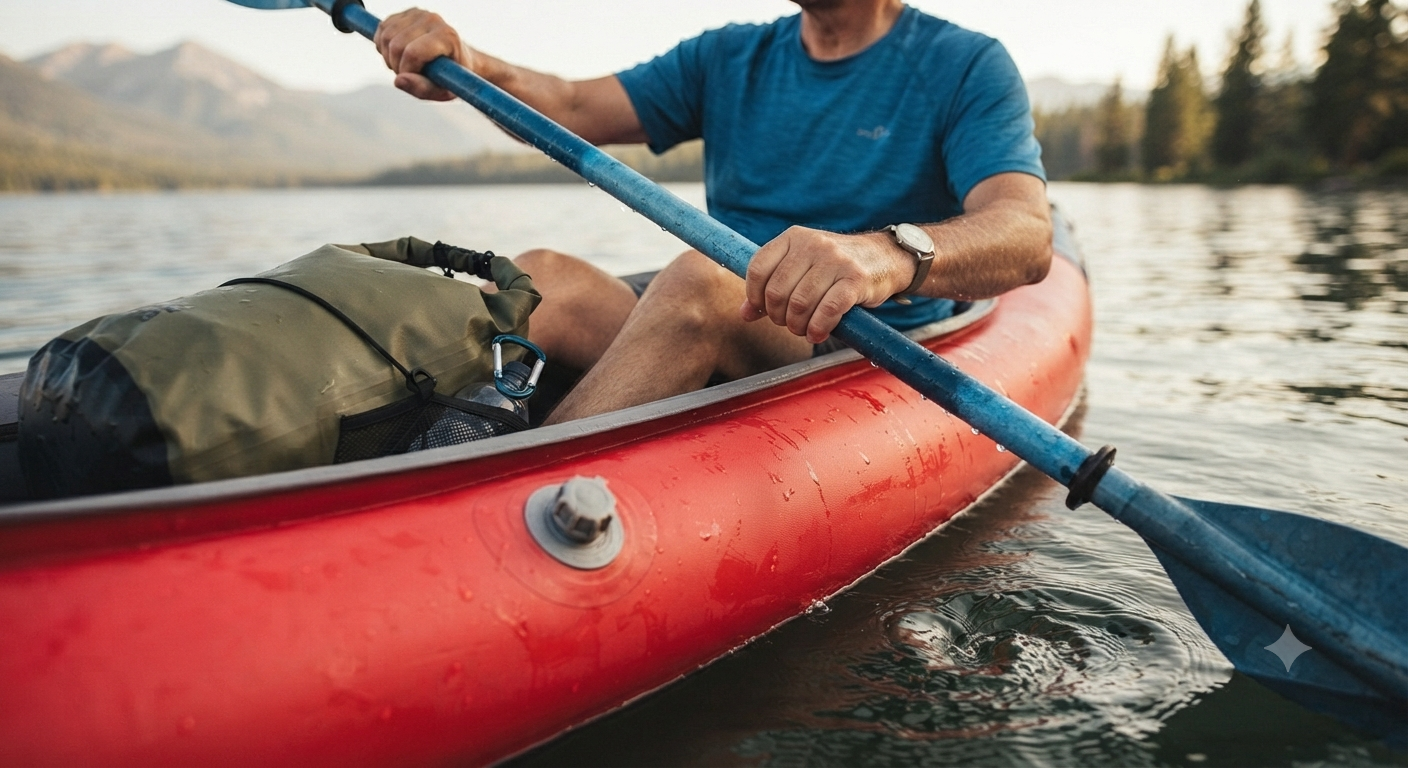
Inflatable kayaks have surged in popularity among outdoor enthusiasts due to their portability, ease of use, and versatility. Whether you’re a seasoned paddler or a beginner looking to explore local waterways, a 1 man inflatable kayak can be an excellent choice. This guide will help you navigate the options available, understand the key features, and make an informed decision.
Why Choose a 1 Man Inflatable Kayak?
1 man inflatable kayaks offer several advantages over traditional hard-shell kayaks:
- Portability: Inflatable kayaks can be deflated and packed into a compact bag, making them easy to transport and store.
- Lightweight: Most models weigh significantly less than their hard-shell counterparts, making them easier to carry to the water.
- Affordability: Generally, inflatable kayaks are more budget-friendly than traditional kayaks, providing a great entry point for new paddlers.
- Versatility: Suitable for various water conditions, from calm lakes to mild rivers, inflatable kayaks can adapt to different environments.
Key Features to Consider
When selecting a 1 man inflatable kayak, consider the following features:
1. Material
Look for durable materials like PVC or Hypalon, which offer resistance to punctures and abrasions.
2. Weight Capacity
Ensure the kayak can support your weight along with any gear you plan to bring. Most 1 man inflatable kayaks have a capacity ranging from 200 to 400 pounds.
3. Stability and Design
Check for a wide hull design, which provides better stability, especially for beginners. Some kayaks also feature built-in fins for improved tracking.
4. Inflation and Deflation
Consider how easy it is to inflate and deflate the kayak. Look for models that come with a high-quality pump.
5. Storage Options
Many inflatable kayaks offer storage compartments or bungee cords for securing gear. Evaluate how much storage you need based on your intended use.
Top Brands to Consider
While there are many brands available, here are a few reputable options to consider:
- Sportsman: Known for their quality and affordability, Sportsman offers a range of inflatable kayaks suitable for different skill levels.
- Intex: A popular choice among beginners, Intex kayaks are budget-friendly and easy to use.
- Sevylor: Offers durable and versatile inflatable kayaks that are great for both recreational and fishing purposes.
Pros and Cons of 1 Man Inflatable Kayaks
| Pros | Cons |
|---|---|
| Lightweight and portable | Can be less durable than hard-shell kayaks |
| Easy to store | May require more maintenance |
| Affordable options available | Performance may vary in rough waters |
| Versatile for various water conditions | Inflation time can be a hassle |
Practical Steps for Buying a 1 Man Inflatable Kayak
When you’re ready to purchase a 1 man inflatable kayak, follow these practical steps to ensure you make the best choice for your needs:
- Research: Start by researching different models and brands. Read reviews and watch videos to see how each kayak performs in real-world conditions.
- Determine Your Budget: Set a budget based on your needs and the features you want. Remember that while some kayaks may have a higher upfront cost, they could save you money in the long run through durability and performance.
- Visit a Store: If possible, visit a sporting goods store to see the kayaks in person. This allows you to assess the build quality and comfort.
- Test It Out: If the store has a demo program, take advantage of it. Testing the kayak on the water can help you determine its stability and comfort.
- Check for Warranty: Look for kayaks that come with a warranty. This can provide peace of mind regarding the product’s quality and durability.

Comparison Criteria for 1 Man Inflatable Kayaks
When comparing different models, consider the following criteria:
- Price: Compare the prices of similar models to find the best value for your budget.
- Weight: Lighter kayaks are easier to transport but may sacrifice some durability.
- Inflation Time: Check how long it takes to inflate each kayak and whether it comes with a pump.
- Storage Capacity: Evaluate how much gear you can bring along and whether the kayak has adequate storage options.
- Portability: Consider how easy it is to carry and store the kayak when deflated.
Cost Factors to Consider
Understanding the cost factors associated with purchasing a 1 man inflatable kayak can help you make a more informed decision:
- Initial Purchase Price: This is the most obvious cost. Prices can vary significantly based on brand, materials, and features.
- Accessories: Don’t forget to budget for necessary accessories such as a pump, paddle, life jacket, and repair kit.
- Maintenance Costs: Factor in potential maintenance costs, including cleaning supplies and storage solutions.
- Transport Costs: If you need a roof rack or other transport solutions, include these in your budget.
Alternatives to 1 Man Inflatable Kayaks
If a 1 man inflatable kayak doesn’t meet your needs, consider these alternatives:
- Hard-shell Kayaks: These offer better performance and durability but are less portable.
- Two-Person Inflatable Kayaks: If you plan to kayak with a partner, a two-person model may be more suitable.
- Stand-Up Paddleboards (SUPs): For those interested in a different paddling experience, SUPs provide a unique way to explore the water.
Limitations of 1 Man Inflatable Kayaks
While 1 man inflatable kayaks have many advantages, they also have limitations:
- Durability: They can be more susceptible to punctures and damage compared to hard-shell kayaks.
- Performance: In rough waters, inflatable kayaks may not perform as well as traditional kayaks.
- Storage Space: Limited storage options may restrict how much gear you can bring along.
Warning Signs When Purchasing
Be cautious of the following warning signs when shopping for a 1 man inflatable kayak:
- Unclear Specifications: Avoid kayaks with vague or incomplete specifications, as this may indicate poor quality.
- No Warranty: Be wary of products that do not offer a warranty, as this can be a sign of low confidence in the product’s durability.
- Poor Reviews: Check customer reviews. If a model has consistently negative feedback, it may be best to steer clear.
Checklist for Buying a 1 Man Inflatable Kayak
Use this checklist to ensure you cover all bases before making your purchase:
- Research brands and models
- Set a budget
- Check material durability
- Evaluate weight capacity
- Assess stability and design
- Consider inflation and deflation ease
- Look for storage options
- Read customer reviews
- Check for warranty and return policy
Provider Questions to Ask
When speaking with a retailer or manufacturer, ask the following questions:
- What materials are used in the construction of the kayak?
- What is the weight capacity, and how is it measured?
- How long does it typically take to inflate and deflate?
- Are there any specific maintenance requirements?
- What warranty options are available?
- Can you provide customer testimonials or reviews?
Additional Considerations for 1 Man Inflatable Kayaks
Practical Steps for Maintenance
Maintaining your inflatable kayak is essential for ensuring its longevity and performance. Follow these practical steps:
- Regular Inspections: Check for any signs of wear and tear, particularly around seams and valves.
- Cleaning: Rinse your kayak with fresh water after each use to remove salt, sand, and debris.
- Drying: Allow the kayak to dry completely before storing it to prevent mold and mildew.
- Storage: Store the kayak in a cool, dry place away from direct sunlight to prevent material degradation.
- Repairs: Keep a repair kit on hand for quick fixes to punctures or leaks.
Comparison Criteria for Accessories
When purchasing accessories for your 1 man inflatable kayak, consider the following criteria:
- Paddle: Look for lightweight paddles that are adjustable and comfortable to use.
- Life Jacket: Ensure it meets safety standards and fits properly for comfort during use.
- Pump: Choose a dual-action pump that inflates on both the up and down strokes for efficiency.
- Repair Kit: Verify that it includes patches, adhesive, and instructions for use.
- Storage Bag: A durable, waterproof bag is essential for protecting your kayak during transport.
Cost Factors for Accessories
When budgeting for accessories, consider these cost factors:
- Quality: Higher-quality accessories may have a higher upfront cost but can offer better durability and performance.
- Brand: Well-known brands might charge more, but they often provide better warranties and customer support.
- Bundle Deals: Some retailers offer package deals for accessories, which can save you money.
- Shipping Costs: Factor in any shipping fees if purchasing online, especially for larger items.
Alternatives to Traditional Kayaking
If you’re considering alternatives to traditional kayaking, explore these options:
- Canoeing: Offers a different paddling experience and can accommodate more gear or passengers.
- Whitewater Rafting: For those seeking adventure, this is an exciting alternative that requires specific equipment.
- Kayak Fishing: Specialized fishing kayaks provide features tailored for anglers, such as rod holders and extra storage.
- River Tubing: A more relaxed way to enjoy waterways, ideal for calm rivers and leisurely days.
Limitations of Inflatable Kayaks in Different Conditions
Be aware of the limitations of inflatable kayaks in various conditions:
- Windy Conditions: Inflatable kayaks can be affected by wind, making them harder to control.
- Rough Waters: They may not perform well in turbulent waters compared to hard-shell kayaks.
- Cold Weather: Inflatable kayaks can become less rigid in cold temperatures, affecting performance.
- Sharp Objects: Be cautious of sharp rocks or debris that can puncture the kayak.
Warning Signs of Poor Quality
When assessing the quality of a kayak, look for these warning signs:
- Inconsistent Seams: Uneven or poorly sealed seams can indicate a lack of quality control.
- Weak Valves: Valves that feel flimsy or difficult to operate may lead to inflation issues.
- Thin Material: Kayaks made from very thin materials may not withstand regular use.
- Unclear Return Policy: A retailer that does not offer a clear return policy may not stand behind their products.
Checklist for Accessory Purchases
Use this checklist to ensure you select the right accessories for your inflatable kayak:
- Determine the type of paddling you’ll be doing.
- Assess the quality and durability of each accessory.
- Check compatibility with your kayak model.
- Read reviews and ratings from other users.
- Compare prices across different retailers.
Provider Questions for Accessories
When purchasing accessories, ask the provider these questions:
- What materials are used in the construction of this accessory?
- Is there a warranty or satisfaction guarantee?
- Can you provide customer reviews or testimonials for this product?
- How does this accessory enhance the performance of my kayak?
- Are there any specific maintenance requirements for this accessory?
Practical Steps for Buying a 1 Man Inflatable Kayak
- Research: Start by researching different models and brands. Read reviews and watch videos to see how each kayak performs in real-world conditions.
- Determine Your Budget: Set a budget based on your needs and the features you want. Remember that while some kayaks may have a higher upfront cost, they could save you money in the long run through durability and performance.
- Visit a Store: If possible, visit a sporting goods store to see the kayaks in person. This allows you to assess the build quality and comfort.
- Test It Out: If the store has a demo program, take advantage of it. Testing the kayak on the water can help you determine its stability and comfort.
- Check for Warranty: Look for kayaks that come with a warranty. This can provide peace of mind regarding the product’s quality and durability.
Comparison Criteria for 1 Man Inflatable Kayaks
| Criteria | Description |
|---|---|
| Price | Compare the prices of similar models to find the best value for your budget. |
| Weight | Lighter kayaks are easier to transport but may sacrifice some durability. |
| Inflation Time | Check how long it takes to inflate each kayak and whether it comes with a pump. |
| Storage Capacity | Evaluate how much gear you can bring along and whether the kayak has adequate storage options. |
| Portability | Consider how easy it is to carry and store the kayak when deflated. |
Cost Factors to Consider
- Initial Purchase Price: This is the most obvious cost. Prices can vary significantly based on brand, materials, and features.
- Accessories: Don’t forget to budget for necessary accessories such as a pump, paddle, life jacket, and repair kit.
- Maintenance Costs: Factor in potential maintenance costs, including cleaning supplies and storage solutions.
- Transport Costs: If you need a roof rack or other transport solutions, include these in your budget.
Alternatives to 1 Man Inflatable Kayaks
- Hard-shell Kayaks: These offer better performance and durability but are less portable.
- Two-Person Inflatable Kayaks: If you plan to kayak with a partner, a two-person model may be more suitable.
- Stand-Up Paddleboards (SUPs): For those interested in a different paddling experience, SUPs provide a unique way to explore the water.
Limitations of 1 Man Inflatable Kayaks
- Durability: They can be more susceptible to punctures and damage compared to hard-shell kayaks.
- Performance: In rough waters, inflatable kayaks may not perform as well as traditional kayaks.
- Storage Space: Limited storage options may restrict how much gear you can bring along.
Warning Signs When Purchasing
- Unclear Specifications: Avoid kayaks with vague or incomplete specifications, as this may indicate poor quality.
- No Warranty: Be wary of products that do not offer a warranty, as this can be a sign of low confidence in the product’s durability.
- Poor Reviews: Check customer reviews. If a model has consistently negative feedback, it may be best to steer clear.
Checklist for Buying a 1 Man Inflatable Kayak
- Research brands and models
- Set a budget
- Check material durability
- Evaluate weight capacity
- Assess stability and design
- Consider inflation and deflation ease
- Look for storage options
- Read customer reviews
- Check for warranty and return policy
Provider Questions to Ask
- What materials are used in the construction of the kayak?
- What is the weight capacity, and how is it measured?
- How long does it typically take to inflate and deflate?
- Are there any specific maintenance requirements?
- What warranty options are available?
- Can you provide customer testimonials or reviews?
Practical Steps for Maintenance
- Regular Inspections: Check for any signs of wear and tear, particularly around seams and valves.
- Cleaning: Rinse your kayak with fresh water after each use to remove salt, sand, and debris.
- Drying: Allow the kayak to dry completely before storing it to prevent mold and mildew.
- Storage: Store the kayak in a cool, dry place away from direct sunlight to prevent material degradation.
- Repairs: Keep a repair kit on hand for quick fixes to punctures or leaks.
Comparison Criteria for Accessories
| Accessory | Criteria |
|---|---|
| Paddle | Look for lightweight paddles that are adjustable and comfortable to use. |
| Life Jacket | Ensure it meets safety standards and fits properly for comfort during use. |
| Pump | Choose a dual-action pump that inflates on both the up and down strokes for efficiency. |
| Repair Kit | Verify that it includes patches, adhesive, and instructions for use. |
| Storage Bag | A durable, waterproof bag is essential for protecting your kayak during transport. |
Cost Factors for Accessories
- Quality: Higher-quality accessories may have a higher upfront cost but can offer better durability and performance.
- Brand: Well-known brands might charge more, but they often provide better warranties and customer support.
- Bundle Deals: Some retailers offer package deals for accessories, which can save you money.
- Shipping Costs: Factor in any shipping fees if purchasing online, especially for larger items.
Alternatives to Traditional Kayaking
- Canoeing: Offers a different paddling experience and can accommodate more gear or passengers.
- Whitewater Rafting: For those seeking adventure, this is an exciting alternative that requires specific equipment.
- Kayak Fishing: Specialized fishing kayaks provide features tailored for anglers, such as rod holders and extra storage.
- River Tubing: A more relaxed way to enjoy waterways, ideal for calm rivers and leisurely days.
Limitations of Inflatable Kayaks in Different Conditions
- Windy Conditions: Inflatable kayaks can be affected by wind, making them harder to control.
- Rough Waters: They may not perform well in turbulent waters compared to hard-shell kayaks.
- Cold Weather: Inflatable kayaks can become less rigid in cold temperatures, affecting performance.
- Sharp Objects: Be cautious of sharp rocks or debris that can puncture the kayak.
Warning Signs of Poor Quality
- Inconsistent Seams: Uneven or poorly sealed seams can indicate a lack of quality control.
- Weak Valves: Valves that feel flimsy or difficult to operate may lead to inflation issues.
- Thin Material: Kayaks made from very thin materials may not withstand regular use.
- Unclear Return Policy: A retailer that does not offer a clear return policy may not stand behind their products.
Checklist for Accessory Purchases
- Determine the type of paddling you’ll be doing.
- Assess the quality and durability of each accessory.
- Check compatibility with your kayak model.
- Read reviews and ratings from other users.
- Compare prices across different retailers.
Provider Questions for Accessories
- What materials are used in the construction of this accessory?
- Is there a warranty or satisfaction guarantee?
- Can you provide customer reviews or testimonials for this product?
- How does this accessory enhance the performance of my kayak?
- Are there any specific maintenance requirements for this accessory?
Frequently Asked Questions
1. How long does it take to inflate an inflatable kayak?
Most inflatable kayaks can be inflated in 5 to 10 minutes, depending on the pump used.
2. Can inflatable kayaks be used in the ocean?
Some inflatable kayaks are designed for ocean use, but it’s essential to check the manufacturer’s specifications for suitability.
3. How do I maintain my inflatable kayak?
Regularly inspect for leaks, clean after use, and store it in a cool, dry place to prolong its lifespan.
4. Are inflatable kayaks safe?
When used correctly and maintained well, inflatable kayaks are safe. Always wear a life jacket and follow safety guidelines.
5. What is the best way to transport an inflatable kayak?
Use the carrying bag that comes with the kayak, and consider using a roof rack or a truck bed for longer distances.
6. Can I fish from an inflatable kayak?
Yes, many inflatable kayaks are suitable for fishing, especially those designed with extra stability and storage options.
7. What should I look for in a kayak pump?
Choose a pump that is efficient, easy to use, and compatible with your kayak’s inflation valves.
Conclusion
Choosing the right 1 man inflatable kayak involves considering various factors such as material, weight capacity, and intended use. By understanding your needs and the features available, you can make a well-informed decision that enhances your kayaking experience. Remember to explore reputable brands like Sportsman and others, and always prioritize safety while enjoying your time on the water.
For more information on specific models and to explore options, check out your local outdoor retailer or online resources.
