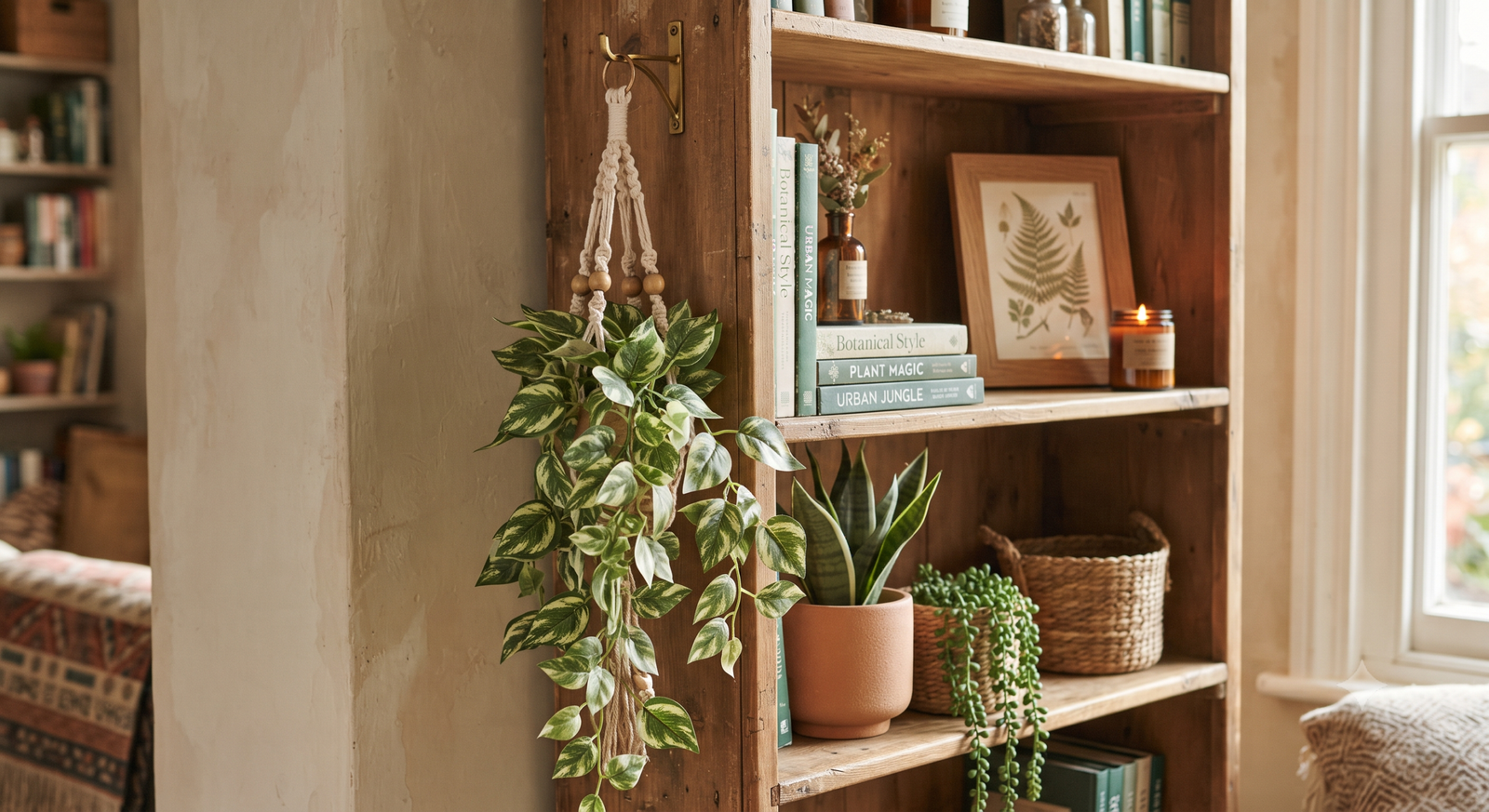
Artificial hanging plants are an excellent way to add a touch of greenery to your home without the hassle of maintenance. They offer the beauty of real plants without the need for watering, sunlight, or special care. This guide will help you navigate the various options available, ensuring you make an informed decision when selecting artificial hanging plants for your space.
Why Choose Artificial Hanging Plants?
There are several reasons why artificial hanging plants are a popular choice for home decor:
- Low Maintenance: Unlike real plants, artificial plants do not require watering, pruning, or special lighting.
- Allergy-Friendly: For those with allergies, artificial plants can be a safe alternative to live plants.
- Versatile Decor: They can be used in various settings, from homes to offices, and can complement any decor style.
- Long-Lasting: With proper care, artificial plants can last for years, making them a cost-effective choice.
Types of Artificial Hanging Plants
When selecting artificial hanging plants, consider the following types:
- Faux Ferns: These plants mimic the delicate fronds of real ferns and add a lush, tropical feel to your space.
- Trailing Vines: Plants like pothos or ivy can create a cascading effect, perfect for high shelves or hanging baskets.
- Succulents: These plants offer a unique look and are often used in modern decor styles.
- Flowering Plants: Artificial flowering plants can add a pop of color and are available in various species.
Materials Used in Artificial Hanging Plants
Artificial plants are made from a variety of materials, each with its pros and cons:
- Plastic: The most common material, plastic plants are lightweight and affordable but may look less realistic.
- Silk: Silk plants often have a more natural appearance and feel but can be more expensive.
- Polyester: This material is durable and can mimic the look of real plants effectively.
How to Choose the Right Artificial Hanging Plant
When selecting an artificial hanging plant, consider the following factors:
- Size: Ensure the plant fits the space you have in mind, whether it’s a small corner or a large wall.
- Style: Choose a plant that complements your existing decor. Consider the color, shape, and type of plant.
- Quality: Look for well-made plants that have a realistic appearance. Check for details like leaf texture and color variations.
- Price: Set a budget and compare options. Remember that higher quality may come at a higher price.
Where to Buy Artificial Hanging Plants
There are many retailers where you can find artificial hanging plants. Some popular options include:
- Home Decor Stores: Stores like Bed Bath & Beyond offer a variety of artificial plants and hanging options.
- Online Retailers: Websites like Amazon and Wayfair have extensive selections and customer reviews to help you choose.
- Specialty Plant Shops: These shops may carry unique and high-quality options.
Consider visiting local stores to see the plants in person, but online shopping can provide a wider selection.
Maintenance Tips for Artificial Hanging Plants
While artificial plants require less maintenance than real ones, they still need some care to keep them looking their best:
- Dust Regularly: Use a soft cloth or duster to remove dust and debris.
- Avoid Direct Sunlight: Prolonged exposure to sunlight can fade colors over time.
- Store Properly: If you need to store your plants, keep them in a cool, dry place to prevent damage.
Key Takeaways
- Artificial hanging plants are a low-maintenance alternative to real plants.
- Consider the type, material, and quality when selecting your plants.
- Retailers like Bed Bath & Beyond offer a variety of options for every budget.
- Regular cleaning will help maintain the appearance of your artificial plants.
Making the Most of Your Artificial Hanging Plants
To truly enjoy the benefits of artificial hanging plants, consider the following practical steps and decision-making criteria that can enhance your experience and satisfaction with your purchase.
Practical Steps for Selecting Artificial Hanging Plants
- Assess Your Space: Measure the area where you plan to hang the plants. Consider the height, width, and depth of the space to ensure the plants will fit well without overcrowding.
- Determine Your Style: Think about the overall aesthetic of your home. Do you prefer a modern, minimalist look, or something more traditional? This will guide your choice of plant types and colors.
- Set a Budget: Decide how much you are willing to spend. Prices can vary significantly based on quality and brand, so having a budget will help narrow your options.
- Research Brands: Look for reputable brands known for their quality. Read customer reviews to gauge the durability and realism of the plants.
- Visit Stores: If possible, visit local stores to see the plants in person. This allows you to assess their quality and appearance firsthand.
Comparison Criteria for Artificial Hanging Plants
| Criteria | Considerations |
|---|---|
| Realism | Look for plants with varied leaf sizes, textures, and colors for a more lifelike appearance. |
| Durability | Check materials used; silk and high-quality plastics tend to last longer. |
| Price | Compare prices across different retailers and brands to find the best value. |
| Care Instructions | Some plants may require special care, such as avoiding direct sunlight or specific cleaning methods. |
| Return Policy | Understand the return policy in case the plants do not meet your expectations. |
Cost Factors to Consider
- Initial Purchase Price: The upfront cost of the plants can vary widely based on size, material, and brand.
- Shipping Costs: If purchasing online, factor in shipping fees, which can add to the overall cost.
- Maintenance Supplies: Although artificial plants require less maintenance, you may need cleaning supplies, which can incur additional costs.
Alternatives to Artificial Hanging Plants
If you are considering alternatives, here are a few options:
- Real Hanging Plants: If you prefer live plants, consider low-maintenance varieties like pothos or spider plants.
- Wall Art: Instead of plants, you could opt for botanical-themed wall art or prints that add greenery without the need for care.
- Vertical Gardens: For a more dynamic approach, consider creating a vertical garden with a mix of real and artificial plants.
Limitations of Artificial Hanging Plants
While artificial hanging plants have many advantages, they also come with limitations:
- Less Natural Benefits: Unlike real plants, artificial options do not purify the air or provide humidity.
- Potential for Fading: Over time, colors may fade, especially if exposed to direct sunlight.
- Limited Variety: While there are many options available, the variety may not match the diversity of live plants.
Warning Signs When Purchasing
Be cautious of the following warning signs when selecting artificial hanging plants:
- Poor Quality: Look for signs of cheap materials, such as flimsy leaves or an unrealistic appearance.
- Unclear Return Policies: Avoid retailers that do not offer clear return or exchange policies, as this may indicate poor customer service.
- Negative Reviews: Pay attention to customer feedback regarding durability and realism.
Checklist for Choosing Artificial Hanging Plants
- Have you measured the space where the plants will hang?
- Does the style of the plant match your home decor?
- Have you compared prices and quality across different retailers?
- Are you aware of the care requirements for the plants you are considering?
- Have you checked customer reviews for the plants you are interested in?
Questions to Ask Before Buying
- What materials are used in the construction of the plant?
- Is this plant suitable for indoor or outdoor use?
- How do I clean and maintain this plant?
- What is the expected lifespan of this artificial plant?
- Are there any warranties or guarantees offered with the purchase?
Enhancing Your Experience with Artificial Hanging Plants
To maximize the benefits of artificial hanging plants, it’s essential to consider additional factors that can influence your satisfaction and the overall aesthetic of your space. Below are practical steps, decision-making criteria, and considerations that can help you make the best choice.
Practical Steps for Selecting Artificial Hanging Plants
- Assess Your Space: Measure the area where you plan to hang the plants. Consider the height, width, and depth of the space to ensure the plants will fit well without overcrowding.
- Determine Your Style: Think about the overall aesthetic of your home. Do you prefer a modern, minimalist look, or something more traditional? This will guide your choice of plant types and colors.
- Set a Budget: Decide how much you are willing to spend. Prices can vary significantly based on quality and brand, so having a budget will help narrow your options.
- Research Brands: Look for reputable brands known for their quality. Read customer reviews to gauge the durability and realism of the plants.
- Visit Stores: If possible, visit local stores to see the plants in person. This allows you to assess their quality and appearance firsthand.
Comparison Criteria for Artificial Hanging Plants
| Criteria | Considerations |
|---|---|
| Realism | Look for plants with varied leaf sizes, textures, and colors for a more lifelike appearance. |
| Durability | Check materials used; silk and high-quality plastics tend to last longer. |
| Price | Compare prices across different retailers and brands to find the best value. |
| Care Instructions | Some plants may require special care, such as avoiding direct sunlight or specific cleaning methods. |
| Return Policy | Understand the return policy in case the plants do not meet your expectations. |
Cost Factors to Consider
- Initial Purchase Price: The upfront cost of the plants can vary widely based on size, material, and brand.
- Shipping Costs: If purchasing online, factor in shipping fees, which can add to the overall cost.
- Maintenance Supplies: Although artificial plants require less maintenance, you may need cleaning supplies, which can incur additional costs.
Alternatives to Artificial Hanging Plants
If you are considering alternatives, here are a few options:
- Real Hanging Plants: If you prefer live plants, consider low-maintenance varieties like pothos or spider plants.
- Wall Art: Instead of plants, you could opt for botanical-themed wall art or prints that add greenery without the need for care.
- Vertical Gardens: For a more dynamic approach, consider creating a vertical garden with a mix of real and artificial plants.
Limitations of Artificial Hanging Plants
While artificial hanging plants have many advantages, they also come with limitations:
- Less Natural Benefits: Unlike real plants, artificial options do not purify the air or provide humidity.
- Potential for Fading: Over time, colors may fade, especially if exposed to direct sunlight.
- Limited Variety: While there are many options available, the variety may not match the diversity of live plants.
Warning Signs When Purchasing
Be cautious of the following warning signs when selecting artificial hanging plants:
- Poor Quality: Look for signs of cheap materials, such as flimsy leaves or an unrealistic appearance.
- Unclear Return Policies: Avoid retailers that do not offer clear return or exchange policies, as this may indicate poor customer service.
- Negative Reviews: Pay attention to customer feedback regarding durability and realism.
Checklist for Choosing Artificial Hanging Plants
- Have you measured the space where the plants will hang?
- Does the style of the plant match your home decor?
- Have you compared prices and quality across different retailers?
- Are you aware of the care requirements for the plants you are considering?
- Have you checked customer reviews for the plants you are interested in?
Questions to Ask Before Buying
- What materials are used in the construction of the plant?
- Is this plant suitable for indoor or outdoor use?
- How do I clean and maintain this plant?
- What is the expected lifespan of this artificial plant?
- Are there any warranties or guarantees offered with the purchase?
Enhancing Your Experience with Artificial Hanging Plants
To maximize the benefits of artificial hanging plants, it’s essential to consider additional factors that can influence your satisfaction and the overall aesthetic of your space. Below are practical steps, decision-making criteria, and considerations that can help you make the best choice.
Practical Steps for Selecting Artificial Hanging Plants
- Assess Your Space: Measure the area where you plan to hang the plants. Consider the height, width, and depth of the space to ensure the plants will fit well without overcrowding.
- Determine Your Style: Think about the overall aesthetic of your home. Do you prefer a modern, minimalist look, or something more traditional? This will guide your choice of plant types and colors.
- Set a Budget: Decide how much you are willing to spend. Prices can vary significantly based on quality and brand, so having a budget will help narrow your options.
- Research Brands: Look for reputable brands known for their quality. Read customer reviews to gauge the durability and realism of the plants.
- Visit Stores: If possible, visit local stores to see the plants in person. This allows you to assess their quality and appearance firsthand.
Comparison Criteria for Artificial Hanging Plants
| Criteria | Considerations |
|---|---|
| Realism | Look for plants with varied leaf sizes, textures, and colors for a more lifelike appearance. |
| Durability | Check materials used; silk and high-quality plastics tend to last longer. |
| Price | Compare prices across different retailers and brands to find the best value. |
| Care Instructions | Some plants may require special care, such as avoiding direct sunlight or specific cleaning methods. |
| Return Policy | Understand the return policy in case the plants do not meet your expectations. |
Cost Factors to Consider
- Initial Purchase Price: The upfront cost of the plants can vary widely based on size, material, and brand.
- Shipping Costs: If purchasing online, factor in shipping fees, which can add to the overall cost.
- Maintenance Supplies: Although artificial plants require less maintenance, you may need cleaning supplies, which can incur additional costs.
Alternatives to Artificial Hanging Plants
If you are considering alternatives, here are a few options:
- Real Hanging Plants: If you prefer live plants, consider low-maintenance varieties like pothos or spider plants.
- Wall Art: Instead of plants, you could opt for botanical-themed wall art or prints that add greenery without the need for care.
- Vertical Gardens: For a more dynamic approach, consider creating a vertical garden with a mix of real and artificial plants.
Limitations of Artificial Hanging Plants
While artificial hanging plants have many advantages, they also come with limitations:
- Less Natural Benefits: Unlike real plants, artificial options do not purify the air or provide humidity.
- Potential for Fading: Over time, colors may fade, especially if exposed to direct sunlight.
- Limited Variety: While there are many options available, the variety may not match the diversity of live plants.
Warning Signs When Purchasing
Be cautious of the following warning signs when selecting artificial hanging plants:
- Poor Quality: Look for signs of cheap materials, such as flimsy leaves or an unrealistic appearance.
- Unclear Return Policies: Avoid retailers that do not offer clear return or exchange policies, as this may indicate poor customer service.
- Negative Reviews: Pay attention to customer feedback regarding durability and realism.
Checklist for Choosing Artificial Hanging Plants
- Have you measured the space where the plants will hang?
- Does the style of the plant match your home decor?
- Have you compared prices and quality across different retailers?
- Are you aware of the care requirements for the plants you are considering?
- Have you checked customer reviews for the plants you are interested in?
Questions to Ask Before Buying
- What materials are used in the construction of the plant?
- Is this plant suitable for indoor or outdoor use?
- How do I clean and maintain this plant?
- What is the expected lifespan of this artificial plant?
- Are there any warranties or guarantees offered with the purchase?
Frequently Asked Questions
1. Are artificial hanging plants safe for pets?
Most artificial plants are safe for pets, but always check for any toxic materials or small parts that could be a choking hazard.
2. How do I clean artificial hanging plants?
Use a damp cloth to wipe down the leaves and remove dust. For deeper cleaning, you can use mild soap and water.
3. Can I use artificial hanging plants outdoors?
Some artificial plants are designed for outdoor use, but many are not UV resistant. Check the product specifications before placing them outside.
4. How long do artificial hanging plants last?
With proper care, artificial hanging plants can last for many years, often outlasting real plants.
5. Can I mix artificial and real plants?
Yes, mixing artificial and real plants can create a dynamic and interesting display, but be mindful of the care requirements for real plants.
6. What are the best places to hang artificial plants?
Consider hanging them in areas with good visibility, such as near windows, in corners, or above furniture to create a focal point.
7. Are there eco-friendly options for artificial plants?
Some manufacturers offer eco-friendly artificial plants made from recycled materials. Look for certifications or labels indicating sustainable practices.
Conclusion
Artificial hanging plants can enhance your home decor while providing the beauty of greenery without the maintenance of live plants. By understanding the types, materials, and care tips, you can make an informed decision that suits your style and needs. Whether you choose to shop at Bed Bath & Beyond or explore other retailers, the right artificial hanging plants can transform your space into a vibrant oasis.
For more inspiration and options, consider visiting your local home decor stores or checking out online retailers.
