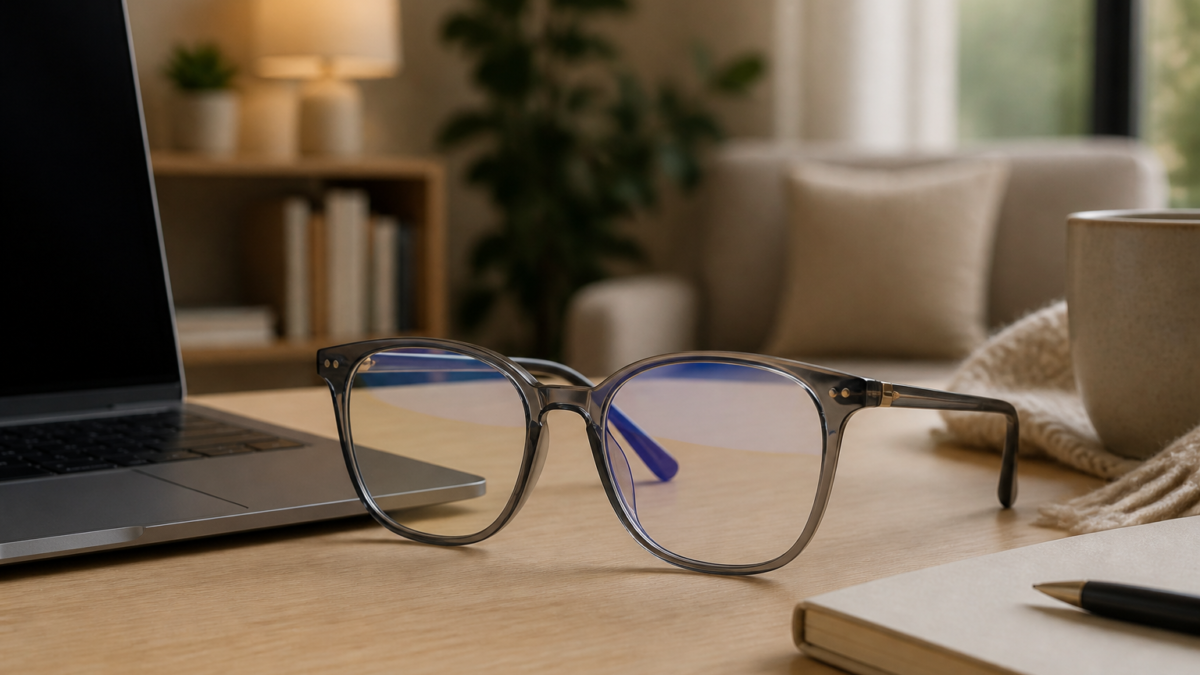
In our increasingly digital world, many of us spend hours in front of screens, whether it’s for work, leisure, or socializing. This extended exposure to screens can lead to discomfort and potential eye strain, commonly referred to as digital eye strain. One solution that has gained popularity is the use of anti blue light eyeglasses. This guide will help you understand what these glasses are, their benefits, and how to choose the right pair for your needs.
What Are Anti Blue Light Eyeglasses?
Anti blue light eyeglasses are specially designed lenses that filter out a portion of the blue light emitted by digital screens. Blue light is a high-energy visible light that can contribute to eye strain, discomfort, and even disrupt sleep patterns. By wearing these glasses, users aim to reduce the potential negative effects associated with prolonged screen time.
How Do Anti Blue Light Eyeglasses Work?
Anti blue light eyeglasses work by incorporating special coatings or tints that absorb or reflect blue light. This helps to reduce the amount of blue light that reaches the eyes, potentially alleviating symptoms of digital eye strain. The effectiveness of these glasses can vary based on the specific design and technology used in the lenses.
Supporting Image for “ A Practical Guide to Anti Blue Light Eyeglasses: Understanding Benefits and Options”.
Choosing the Right Pair of Anti Blue Light Eyeglasses
When selecting anti blue light eyeglasses, consider the following factors:
- Lens Type: Look for lenses specifically designed for blue light blocking. Some lenses may have a slight yellow tint, which can enhance their filtering capabilities.
- Frame Style: Choose a frame that fits your face comfortably and suits your personal style. Zenni Optical offers a variety of styles to choose from.
- Prescription Needs: If you wear prescription glasses, ensure that your anti blue light lenses can be customized to your prescription.
- Price Range: Anti blue light glasses come in various price ranges. Determine your budget before shopping.
Popular Options: Zenni Optical’s Blokz Blue Blocker Eyewear
Zenni Optical offers a range of blue light blocking glasses known as Blokz. These glasses are designed to filter out blue light while providing stylish options for users. They come in various styles and can be customized with prescription lenses. Here are some features of Zenni’s Blokz:
- Multiple Styles: Available in various frame styles and colors.
- Customizable: Can be tailored to your prescription needs.
- Affordable Pricing: Zenni is known for providing budget-friendly eyewear options.
Limitations and Considerations
While anti blue light eyeglasses can be beneficial, they are not a cure-all solution. Here are some limitations to consider:
- Not a Replacement for Regular Eye Exams: Regular check-ups with an eye care professional are essential for maintaining eye health.
- Individual Variability: The effectiveness of blue light blocking glasses can vary from person to person.
- Potential Discomfort: Some users may experience discomfort with tinted lenses, especially in low-light conditions.
Understanding Blue Light and Its Effects
Before diving into the specifics of anti blue light eyeglasses, it’s important to understand what blue light is and how it affects our eyes. Blue light is emitted by digital screens, LED lighting, and even the sun. While it plays a crucial role in regulating our sleep-wake cycle, excessive exposure, especially during evening hours, can lead to various issues.
- Digital Eye Strain: Symptoms include dryness, irritation, and difficulty focusing.
- Sleep Disruption: Exposure to blue light at night can interfere with melatonin production, affecting sleep quality.
- Potential Long-Term Damage: Some studies suggest that prolonged exposure to blue light may contribute to retinal damage over time.
Practical Steps for Reducing Blue Light Exposure
In addition to wearing anti blue light eyeglasses, consider implementing these practical steps to further reduce blue light exposure:
- Adjust Screen Settings: Most devices now come with settings that allow you to reduce blue light emission. Look for ‘Night Mode’ or ‘Blue Light Filter’ options.
- Limit Screen Time: Take regular breaks using the 20-20-20 rule: every 20 minutes, look at something 20 feet away for at least 20 seconds.
- Use Screen Protectors: Consider applying a blue light blocking screen protector to your devices.
- Optimize Lighting: Use softer, warmer lighting in your workspace to minimize blue light exposure from artificial sources.
Cost Factors to Consider
When budgeting for anti blue light eyeglasses, consider the following cost factors:
- Lens Material: Different materials can affect the price; polycarbonate lenses are typically more affordable than high-index lenses.
- Coating Options: Additional coatings, such as anti-reflective or scratch-resistant coatings, can increase the overall cost.
- Brand Reputation: Established brands may charge a premium for their products, while lesser-known brands might offer similar features at a lower price.
- Prescription Needs: Customizing lenses for prescription needs can add to the cost, so factor this into your budget.
Warning Signs to Look Out For
When using anti blue light eyeglasses, be aware of the following warning signs that may indicate they are not suitable for you:
- Persistent Eye Strain: If you continue to experience discomfort after wearing the glasses, it may indicate a need for a different lens type or prescription.
- Headaches: Frequent headaches could be a sign that the lenses are not providing the correct prescription or fit.
- Visual Distortions: If you notice blurriness or distortion while wearing the glasses, it may be time to consult an eye care professional.
Questions to Ask Before Purchasing
Before making a purchase, consider asking the following questions:
- What specific blue light blocking technology is used in these lenses?
- Can these glasses be customized to my prescription?
- What is the return policy if I am not satisfied with the glasses?
- Are there any warranties or guarantees on the lenses?
- How do these glasses compare to others in terms of comfort and effectiveness?
Evaluating the Effectiveness of Anti Blue Light Eyeglasses
When considering the purchase of anti blue light eyeglasses, it’s essential to evaluate their effectiveness. Here are some criteria to help you assess whether a particular pair meets your needs:
- Blue Light Filtering Percentage: Check the specifications to see what percentage of blue light the lenses block. Higher percentages may offer better protection.
- User Reviews: Look for reviews from other consumers regarding their experiences with the glasses. Pay attention to comments about comfort, effectiveness, and any side effects.
- Certification: Some glasses may have certifications from organizations that validate their blue light blocking capabilities. Look for these endorsements as a sign of quality.
Cost-Benefit Analysis of Anti Blue Light Eyeglasses
Before purchasing, conduct a cost-benefit analysis to determine if the investment is worthwhile:
| Factor | Cost | Benefit |
|---|---|---|
| Initial Purchase Price | Varies by brand and features | Potential reduction in eye strain and discomfort |
| Long-term Eye Health | Cost of regular eye exams | May prevent future eye issues related to blue light exposure |
| Comfort and Productivity | Time spent adjusting to discomfort | Improved focus and productivity during screen time |
Potential Limitations of Anti Blue Light Eyeglasses
While these glasses can provide benefits, it’s important to recognize their limitations:
- Not a Substitute for Eye Care: Regular eye exams are still necessary to monitor overall eye health.
- Individual Differences: The effectiveness of blue light blocking can vary widely among individuals.
- Adjustment Period: Some users may need time to adjust to wearing tinted lenses.
Key Questions to Consider Post-Purchase
After purchasing your anti blue light eyeglasses, consider these questions to maximize their benefits:
- Am I experiencing any discomfort that could indicate a poor fit or incorrect prescription?
- How do my eyes feel after extended screen time with the glasses on?
- Have I noticed any improvement in my sleep quality since using the glasses?
Alternative Solutions to Anti Blue Light Eyeglasses
While anti blue light eyeglasses are a popular choice for mitigating the effects of blue light exposure, there are several alternative solutions that can also help protect your eyes and improve comfort during screen time:
- Screen Filters: Consider using physical blue light filters that can be applied directly to your device screens. These filters can reduce blue light emissions without the need for glasses.
- Blue Light Blocking Apps: Install applications on your devices that adjust the color temperature of your screens, reducing blue light exposure during evening hours.
- Lighting Adjustments: Use smart bulbs that allow you to change the color temperature of your lighting. Warmer light can help reduce blue light exposure in your environment.
- Eye Drops: For those experiencing dryness or irritation, consider using lubricating eye drops to alleviate symptoms of digital eye strain.
Choosing the Right Lens Coatings
When selecting anti blue light eyeglasses, the lens coatings can significantly impact their performance. Here are some common coatings to consider:
| Coating Type | Description | Benefits |
|---|---|---|
| Anti-Reflective | Reduces glare from screens and overhead lights. | Improves visual clarity and comfort. |
| Scratch-Resistant | Protects lenses from scratches and damage. | Increases the longevity of your glasses. |
| Photochromic | Darkens in sunlight and lightens indoors. | Provides versatility for both indoor and outdoor use. |
Checklist for Selecting Anti Blue Light Eyeglasses
Use this checklist to ensure you consider all important factors when selecting your anti blue light eyeglasses:
- Determine your primary use (e.g., work, gaming, reading).
- Assess your prescription needs and whether you require bifocals or progressives.
- Evaluate the style and fit of the frames.
- Check the blue light filtering percentage of the lenses.
- Consider additional coatings that may enhance comfort and durability.
- Research brand reputation and customer reviews.
- Review the return policy and warranty options.
Recognizing the Limitations of Alternatives
While alternatives to anti blue light eyeglasses can be beneficial, they also come with limitations. Here are some factors to keep in mind:
- Screen Filters: May not fit all devices perfectly and can affect screen clarity.
- Apps: Effectiveness can vary based on device type and settings.
- Lighting Adjustments: Requires investment in smart lighting solutions.
- Eye Drops: Provide temporary relief and may not address underlying issues.
Questions to Consider When Exploring Alternatives
As you explore alternatives to anti blue light eyeglasses, consider asking the following questions:
- How effective is this alternative in reducing blue light exposure?
- Are there any side effects associated with using this solution?
- What is the cost comparison between this alternative and anti blue light eyeglasses?
- Does this solution fit seamlessly into my daily routine?
Long-Term Eye Health Considerations
When addressing blue light exposure, it’s essential to think about long-term eye health. Here are some considerations:
- Regular Eye Exams: Schedule routine check-ups with an eye care professional to monitor eye health.
- Healthy Screen Habits: Implement habits such as the 20-20-20 rule to give your eyes a break.
- Nutrition: Maintain a diet rich in eye-friendly nutrients like omega-3 fatty acids, lutein, and vitamins C and E.
Conclusion
Anti blue light eyeglasses can be a valuable tool for those who spend significant time in front of screens. While they may not eliminate all symptoms of digital eye strain, they can provide relief for many users. When selecting a pair, consider your specific needs, style preferences, and budget. Brands like Zenni Optical offer a variety of options that cater to different tastes and requirements. Remember to consult with an eye care professional for personalized advice and to ensure your overall eye health.
For more information on blue light blocking glasses, you can visit Zenni Optical’s website to explore their range of Blokz eyewear options.
Disclaimer: This article contains affiliate links. If you choose to make a purchase through these links, we may earn a commission at no additional cost to you.
